Markets

From Design Emergency to Parola Progetto: a selection of design and architecture podcasts, in Italian and English, featuring interviews, reports and stories about objects.
Elia Vismara takes the helm at FederlegnoArredo, charting new courses for Made in Italy
Text by
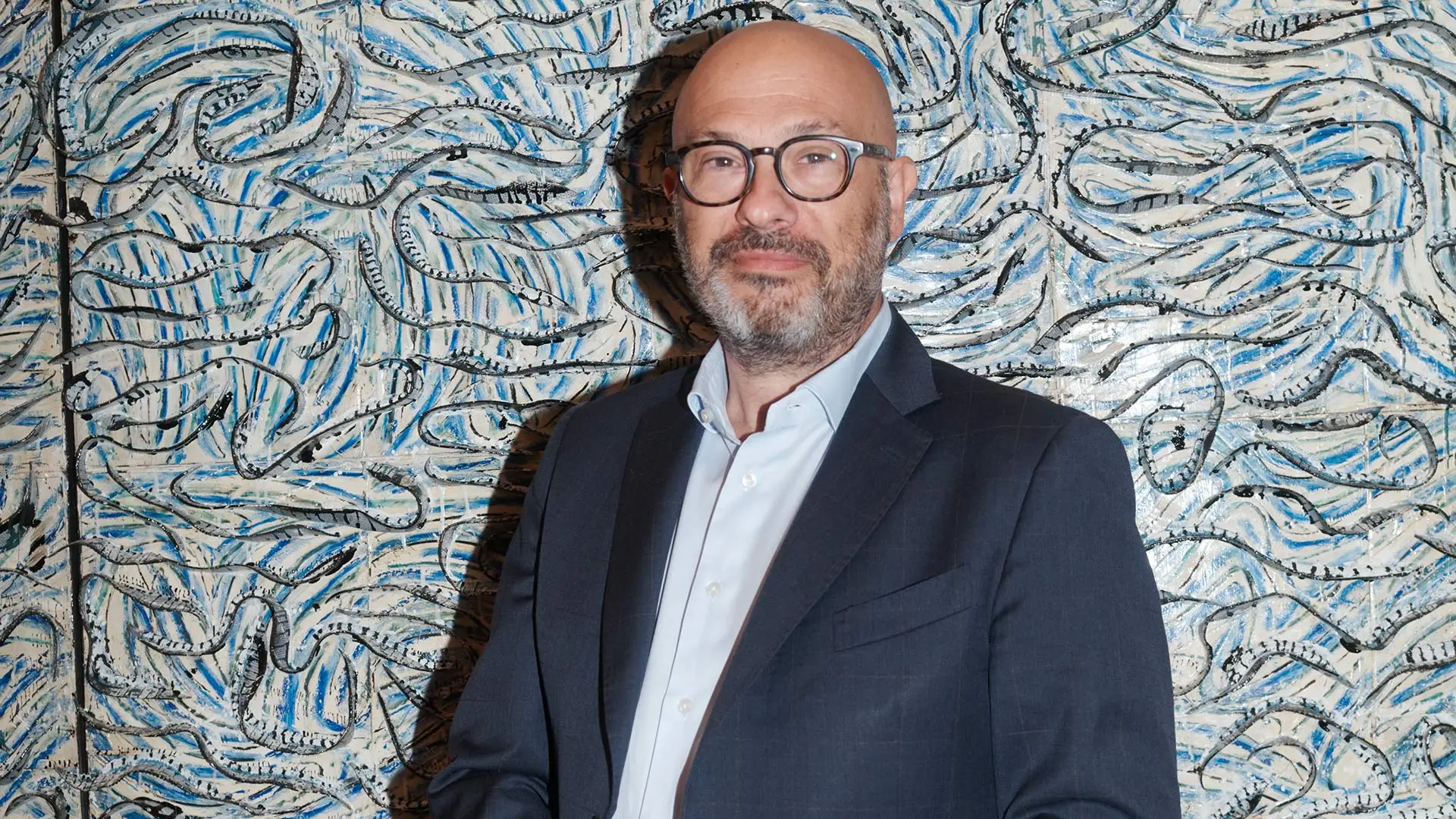
Elia Vismara, President of FederlegnoArredo
Claudio Feltrin handed over the reins to the new president, elected for the four-year term 2026-2030, during the FederlegnoArredo General Assembly in the Salone d’Onore at Triennale Milano on 27th October
Elia Vismara brings a wealth of experience at the highest levels of the trade association system to the presidency of FederlegnoArredo. He has been a member of FederlegnoArredo’s General Council since 2015, a member of the Executive Committee of Assobagno since 2017 – having served as its president from 2020 to the present – and has sat on the Board of Directors of Federlegno Arredo Eventi since 2021. He has been a member of the Executive Board of the Italian Standardisation Body (UNI), of which the Federation is a representative member, since 2025. He is also chairman of the Board of Directors of Vismaravetro, a family-run business operating in the bathroom furniture sector.
“Pride, gratitude, a strong sense of responsibility and emotion at representing one of the flagship sectors of Made in Italy,” were among his opening words to the Assembly. “Gratitude because it is not a given that all your colleagues and fellow businesspeople will see you as someone capable of representing them. Responsibility because there is no doubt that representing FederlegnoArredo – that is, all the companies in our sector – in Italy and Europe is a great responsibility. There is no doubt that ours is the most beautiful sector in the world - we are the synthesis of industrial know-how, design, projects, craftsmanship, quality and beauty. So being associated with this world is a source of great pride for me.”
Internationalisation
Competitiveness, internationalisation and industrial policy lie at the heart of the new 2026-2030 mandate. “Internationalisation remains a key driver of growth for our sector, but today we cannot simply urge businesses to seek out new markets, we must create the conditions that will enable them to reach those markets and compete on a level playing field. This means working to ensure that Europe combats unfair competition, guarantees fair access to markets and raw materials, and recognises the value of the investments made by companies. We need to support businesses in opening up new opportunities, without losing sight of established markets,” said Mr Vismara.
Industrial outlook
The scale of the challenge is illustrated by data from the FederlegnoArredo Research Centre, based on Eurostat figures: in the first seven months of 2026, sectoral exports fell by 3.9 % compared with the same period in 2025.
The performance of the three main destination markets has had the greatest impact: France (-4.4%), the United States (-9.4%) and Germany (-7.4%), which together account for a drop of over 288 million euros in exports compared with the previous year.
During the period under review, 69.1% of Italian timber and furniture exports were destined for Europe, comprising both the European Union and non-EU European countries. The EU27 alone accounted for 53% of the total. The 7.9% decline in sales in the rest of the world was more pronounced than that recorded in Europe (-2%), leading to an increase in the continent’s share of total exports. Within Europe, the greatest difficulties were experienced by the EU27 member states, which saw a 2.4% decline, whilst non-EU Europe losses were limited to 0.6%.
The Middle East was one of the worst-hit areas, seeing a 10.8% drop, also driven by the sales contraction in Saudi Arabia (-23.3%) and the United Arab Emirates (-8.3%). There were some positive signs, however - Spain (+5.4%) and Switzerland (+4.7%) consolidated their positions, while Turkey (+13.9%) and Greece (+9.8) saw more dynamic growth, albeit at more modest levels.
It is within this evolving commercial landscape that the priority set out by the new president comes into play - not merely to seek out new markets, but to create the conditions that will enable businesses to access them and compete effectively.
Diversification therefore becomes a strategic necessity, to be pursued alongside the defence of established markets. This is a process that calls for industrial policies, support mechanisms for overseas operations and investment in skills, as well as the ability of companies to adapt to new trends in demand.
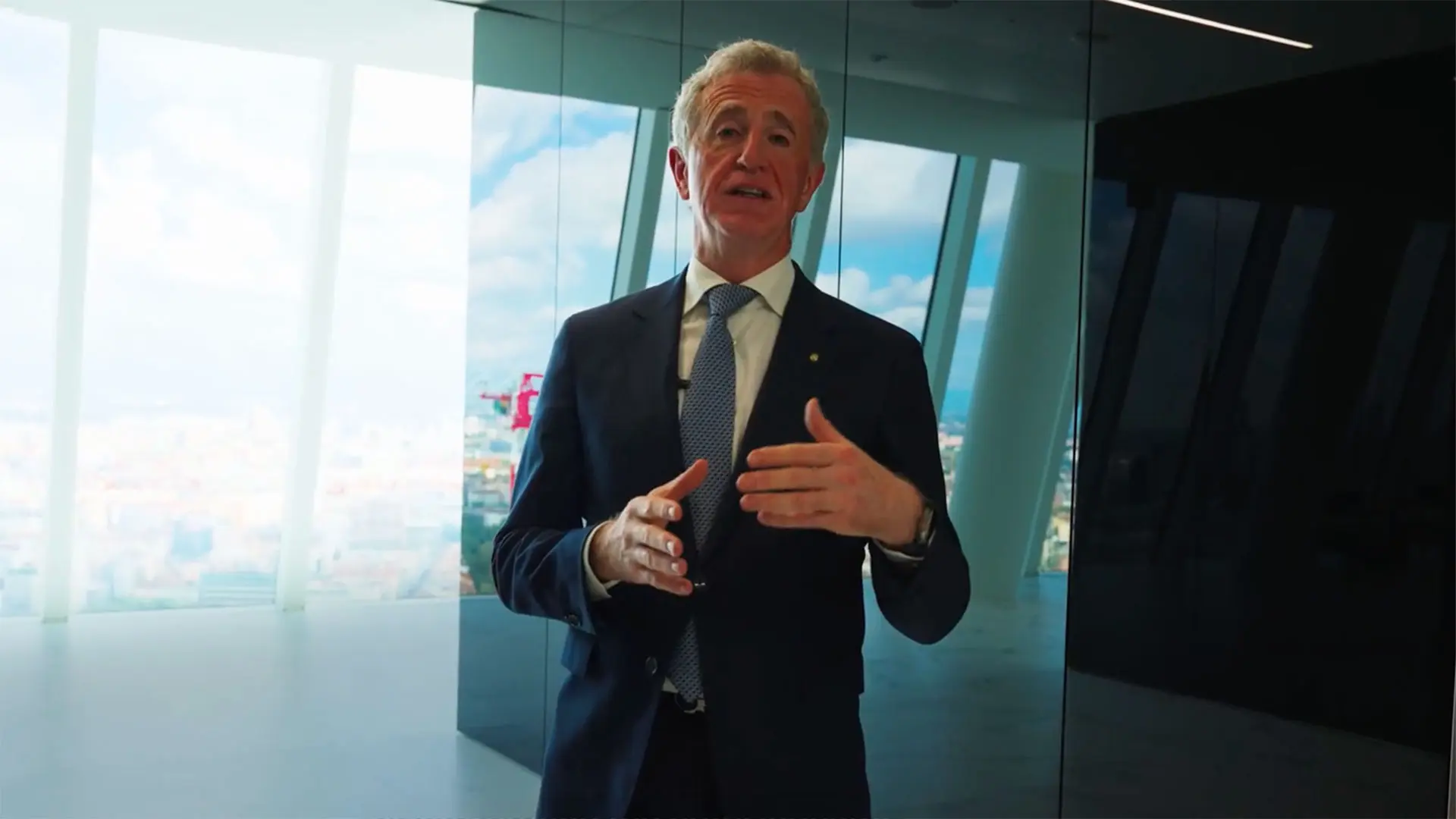
In a video message shown during the Assembly, outlining the role of embassies, consulates and internationalisation tools in opening up new trade opportunities, Antonio Tajani, Italy’s Minister for Foreign Affairs and Cooperation, said: “No entrepreneur should ever feel alone abroad. Your businesses are at the heart of our strategy for growth and internationalisation.”
The agreement signed in April between the Ministry and FederlegnoArredo marks a step in this direction, aiming to strengthen collaboration, including through the training of officials. Mr Tajani also highlighted the importance of initiatives to promote Italian design internationally, announcing a meeting with businesses during his visit to Baku, in Azerbaijan, scheduled for 23rd November, and a SaloneSatellite exhibition at the Farnesina in December, dedicated to young designers.
Salone del Mobile.Milano, a strategic asset for the country
Maria Porro, President of the Salone del Mobile.Milano, described the Salone as “a strategic asset for the country’s competitiveness,” highlighting its power to attract key players in global demand to Italy and to offer businesses an international reach that they would struggle to achieve on their own. “The real challenge for Made in Italy is not just to conquer new markets, but to continue to play a leading role in defining the value, languages and models of living around the world. To achieve this, we must move beyond the logic of promotion and think in terms of industrial policy,” continued Ms Porro.
Skills and young people for building the future
Competitiveness also relies on training and generational renewal. Mr Vismara explicitly highlighted the need to invest in skills and the younger generations: “It is on these concrete conditions that the competitiveness of the sector hinges, and it is on these that we must continue to work as a system.”
The value of Italian wood-furnishing stems from the coming together of design culture, manufacturing expertise, innovation and knowledge of materials. This heritage must be passed on and kept up to date, to enable businesses to continue to stand out on international markets and meet the new demands of modern living.
From this perspective, supporting young entrepreneurs and designers takes on a significance that goes beyond simply promoting talent: it means investing in the continuity of skills and in the sector’s ability to anticipate change.
New horizons for the supply chain
Mr Vismara’s presidency begins with a challenge that concerns the entire production system: translating a well-established legacy of quality, design and expertise into new opportunities for growth.
As Maria Porro stressed, Italy’s strength lies in its ability to turn design culture, manufacturing and innovation into a system that is recognised and appreciated worldwide. This leadership position calls for investment, vision and the ability to pull together.
For FederlegnoArredo, the new presidency will therefore be an opportunity to strengthen the representation of companies and guide them towards evolving markets and scenarios. It is not merely a question of exporting products, but of continuing to promote an industrial and cultural model that combines quality, creativity and expertise.
30 October 2026
Share