Stories


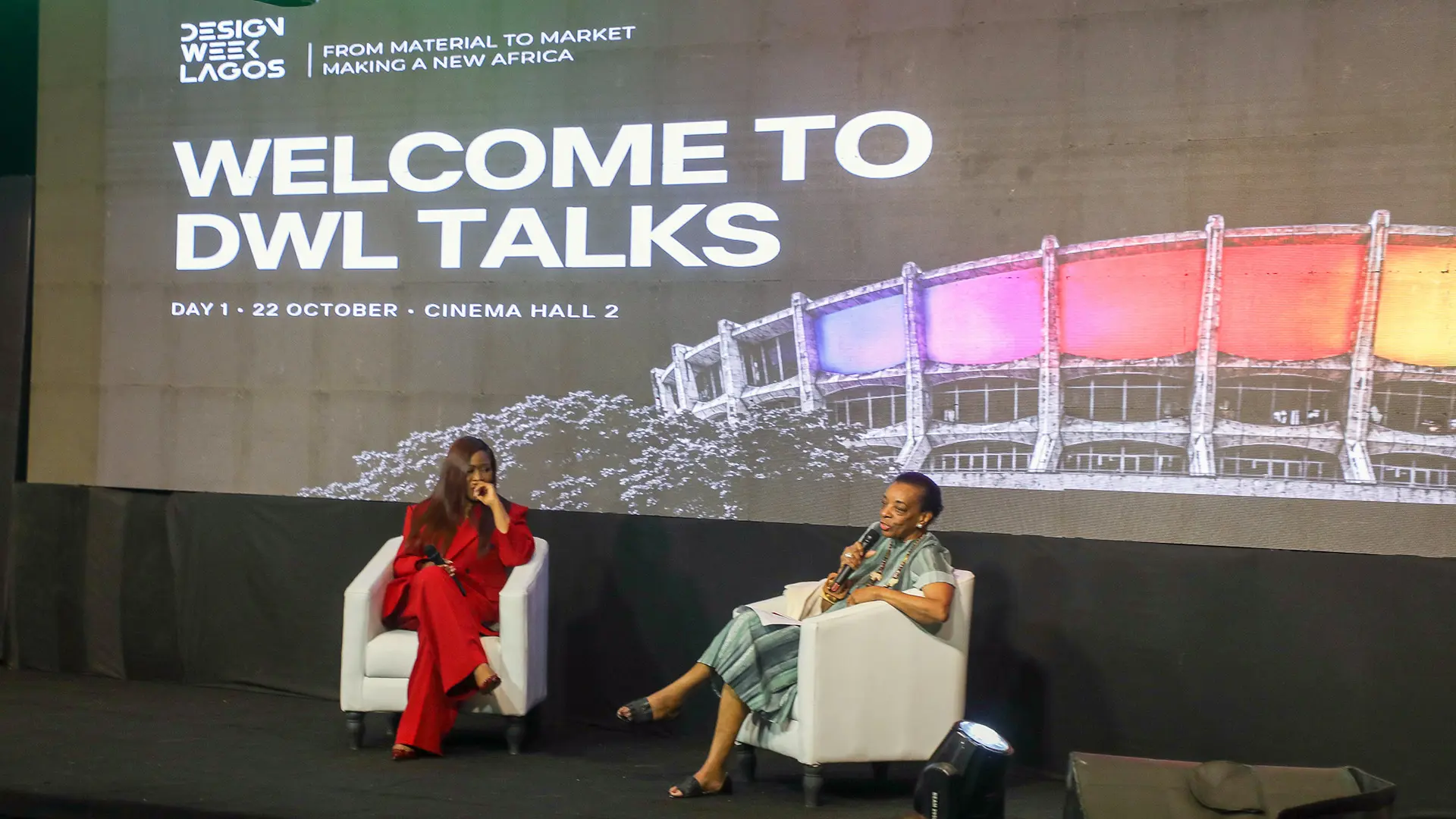
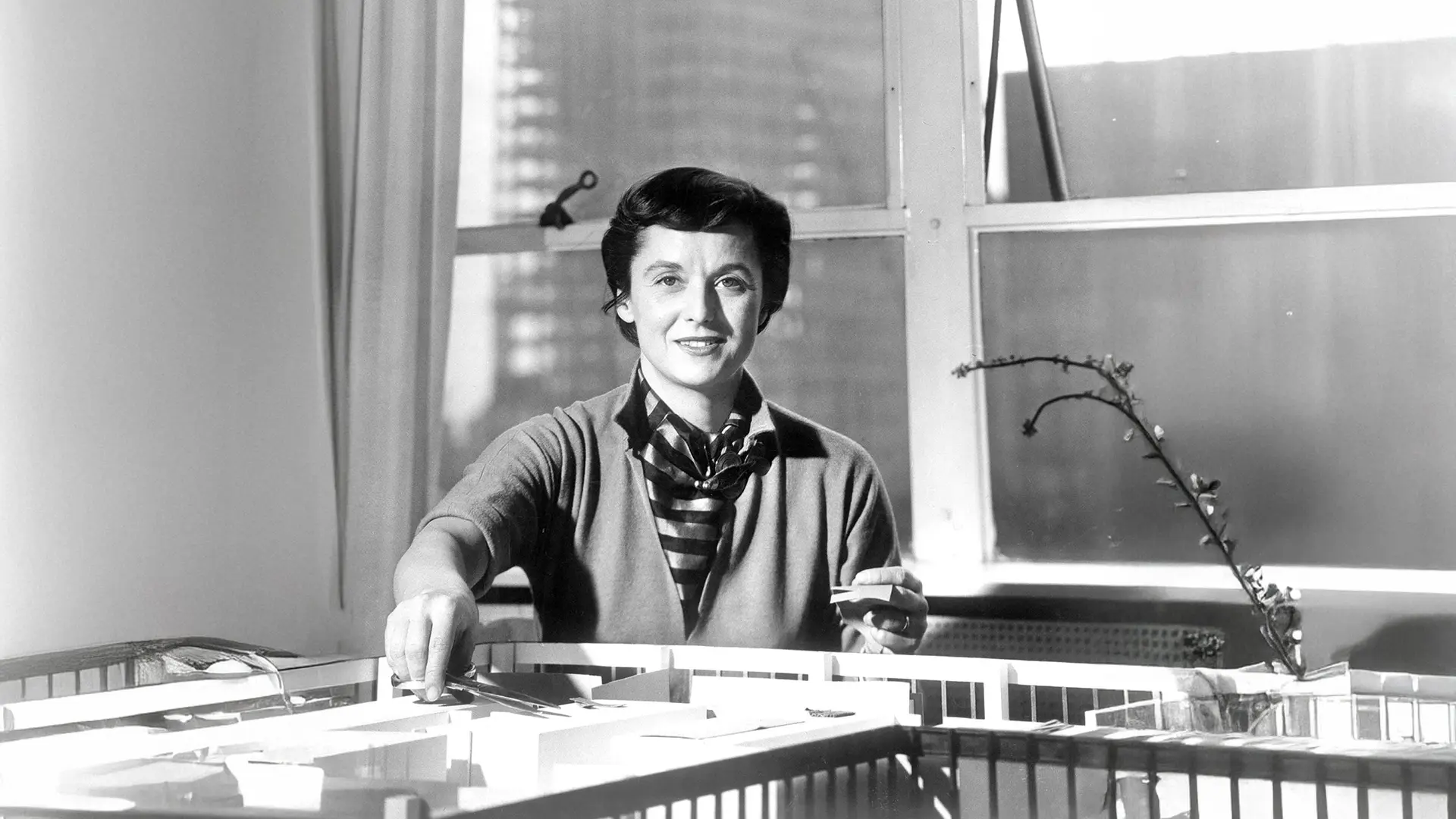
The Salone del Mobile.Milano World Tour will touch down in Nigeria on 21st and 22nd October for Lagos Design Week 2026, the epicentre of the new pan-African creative scene. Amidst fresh creative visions and international dialogue, the first edition of the IDEA Honours will recognise Marva Griffin Wilshire, founder of SaloneSatellite, architect and critic Lesley Lokko, and artist Yinka Shonibare.
Telling the story of architecture can also mean deciding not to tell the whole story. Focusing on a theme, a method and a historical period and, through that choice, trying to broaden our gaze
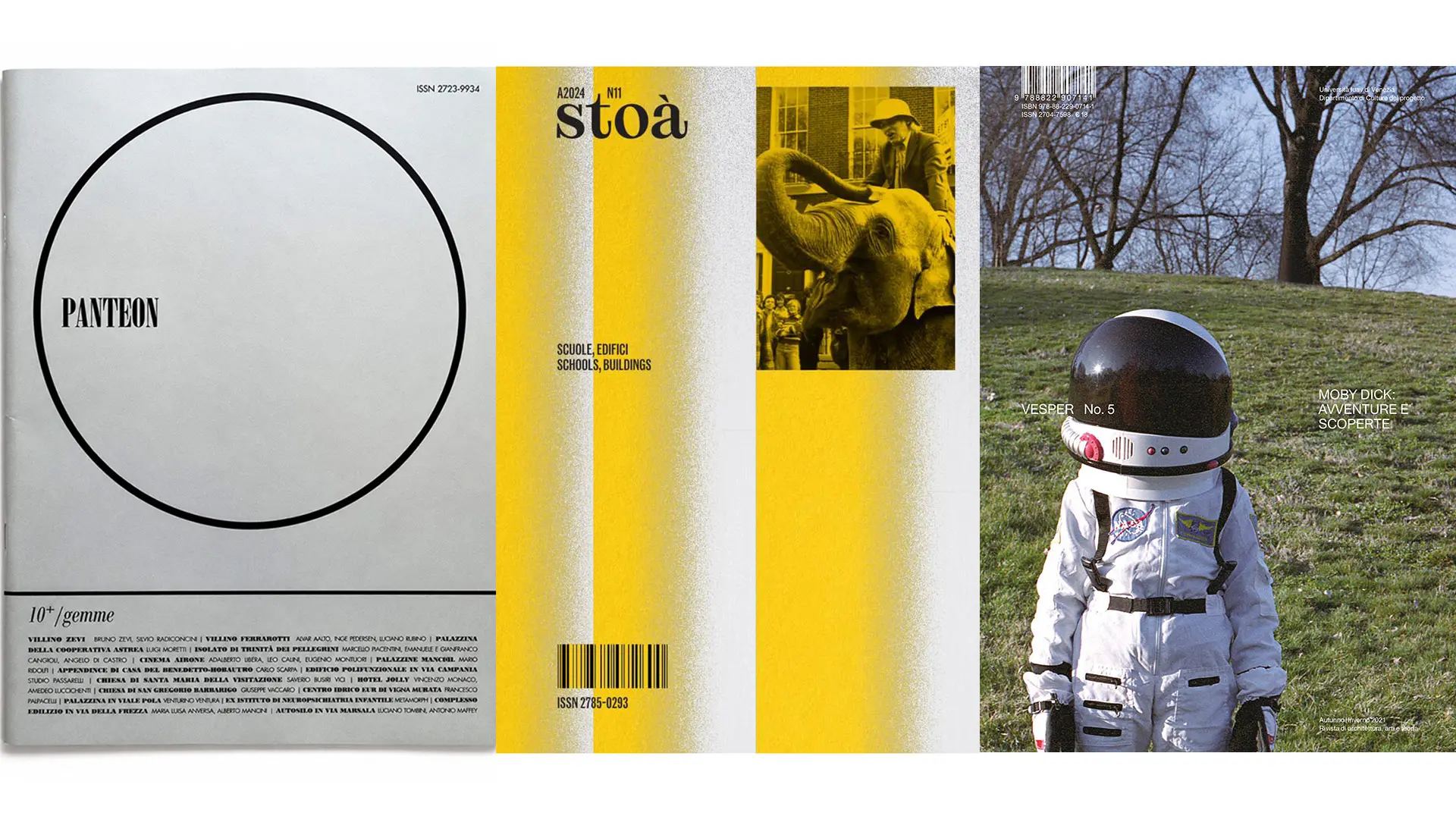
This is what Vesper, Stoà and Panteon do, three Italian magazines established between 2019 and 2021, different in origin and outlook, but united by the choice to focus on a specific field.
Defining the field, in these cases, does not mean restricting the potential of research, but giving it a direction. Each magazine establishes what it wants to observe and returns over time to its own issues, addressing them from different angles. Vesper relates architecture to the arts and theory, Stoà focuses on the tools and ways it is taught, while Panteon returns to the built heritage to subject it to new interpretations. Three ways of understanding a magazine and, at the same time, three ways of exploring architecture.
For Vesper, this region begins precisely where the boundaries of the discipline become less definite. Founded in 2019 and edited by Sara Marini, the six-monthly scholarly journal of the Università IUAV in Venice, published by Quodlibet, already declares in the subtitle – “Journal of Architecture, Arts and Theory” – the desire to relate the project to other forms of knowledge. Art, philosophy, literature and cinema enter its pages not as parallel fields, but as resources for observing architecture and the issues of the present.
The titles of the various issues already suggest the direction. After Supervenice, dedicated to Venice, appeared Material-Author, In the Forest, Exiles and Exoduses, Moby Dick: Adventures and Discoveries, Magic, Sky, Eden Project and Miserabilia. Titles remote from the usual lexis of architectural journals, which function rather as invitations to engage in research. Each theme is receptive to different interpretations, leaving it to the contributors to progressively build meanings, associations and possible contradictions.
The structure itself of the journal reflects this plurality. Scientific essays coexist with interviews, stories, translations, projects and archival materials, in a sequence connecting different forms of production of knowledge. The visual apparatus also shares in this process. The images are not just required to document buildings or illustrate what is stated in the texts, but can shape independent outlooks, suggest associations and introduce further references. Text, image and editorial project thus shape the construction of the same theme.
This approach enables architecture to encounter seemingly distant issues. A novel like Moby Dick becomes the starting point for reflecting on adventure and discovery; magic opens up research into the relationship between reality, imagination and transformation; Eden invites us to question the representations of nature and the possibility of designing alternative worlds. The architectural project does not disappear, but is placed within a wider network of cultural references. The magazine thus becomes a space in which thinking about design can engage with disciplines and forms of expression in ways that continuously redefine its boundaries.
If Vesper tends to widen the margins of the discipline, Stoà focuses on one of its fundamental steps: the phase when students learn to design.
Founded in Naples in 2021, edited by Alberto Calderoni and published by Thymos Books, Stoà is subtitled Tools for teaching architectural design, and foregrounds a field that often remains in the background when it comes to architecture: its transmission. Before the built project, there are exercises, models, drawings, references and methods that shape a way of observing and transforming space. The magazine starts from here, transforming the daily instruments of training into objects of investigation.
Models, Drawings, Renderings, Exercises, Workshops and Journeys have been some of the titles of the first issues. Terms that are familiar in a school of architecture, but which, isolated and observed individually, bring out less immediate issues. What does it mean to build a model in the design process? What kind of knowledge is conveyed by drawing? What role does rendering play when an idea is represented? And again: how do you devise an exercise capable of teaching how to design?
In this way the focus shifts from the result to the steps that make it possible. A model, a drawing or an exercise are not simply techniques to be learned, but tools that affect the ways a project is conceived. Questioning teaching therefore means returning to architecture itself, because methods, references and practices transmitted during training help to build the design culture of those who learn them.
Stoà progressively broadens its investigation from the individual tools to the structure that contains them: the school of architecture. Theories, communities, syllabuses, contexts and objectives become topics through which to observe programs, relationships between teachers and students, educational traditions and different ways of organizing teaching. The initial question – with what tools do we teach design? – thus ends up opening another, broader one: what does it mean to train an architect today?
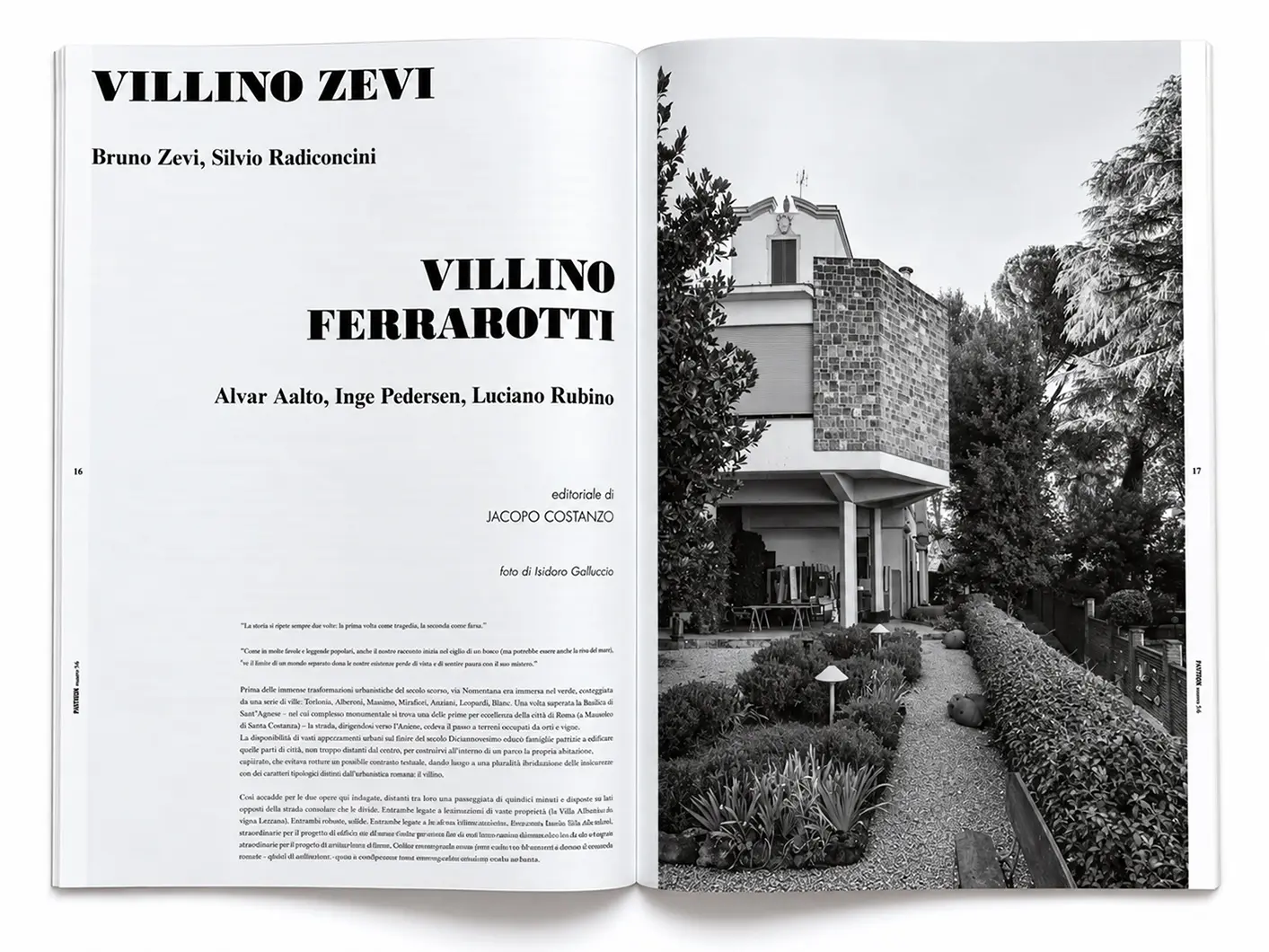
Panteon 10 (Gemme) foto di Davide Curatola Soprana e Isidoro Galluccio
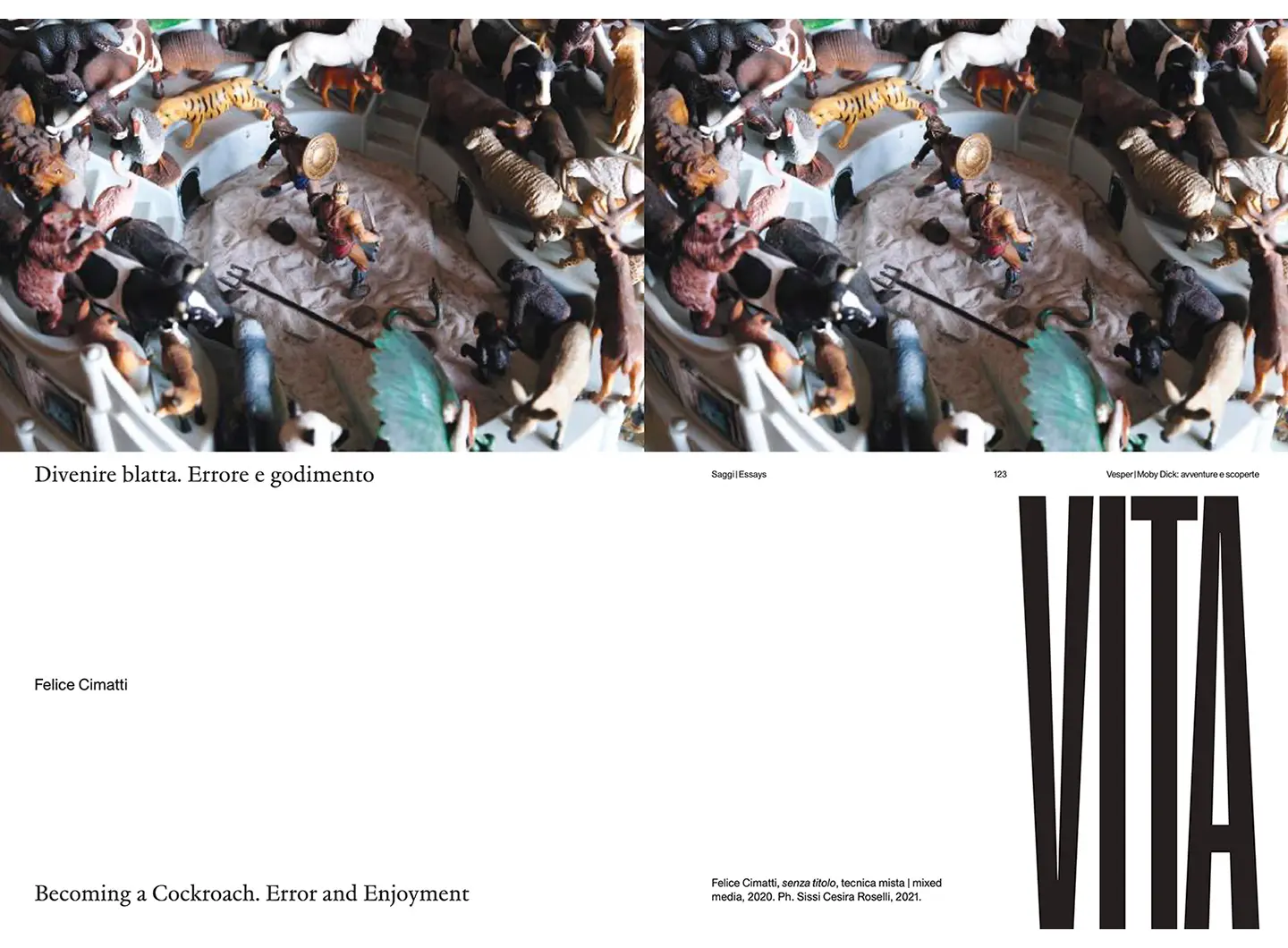
Alberto Sinigaglia, Untitled, 2010
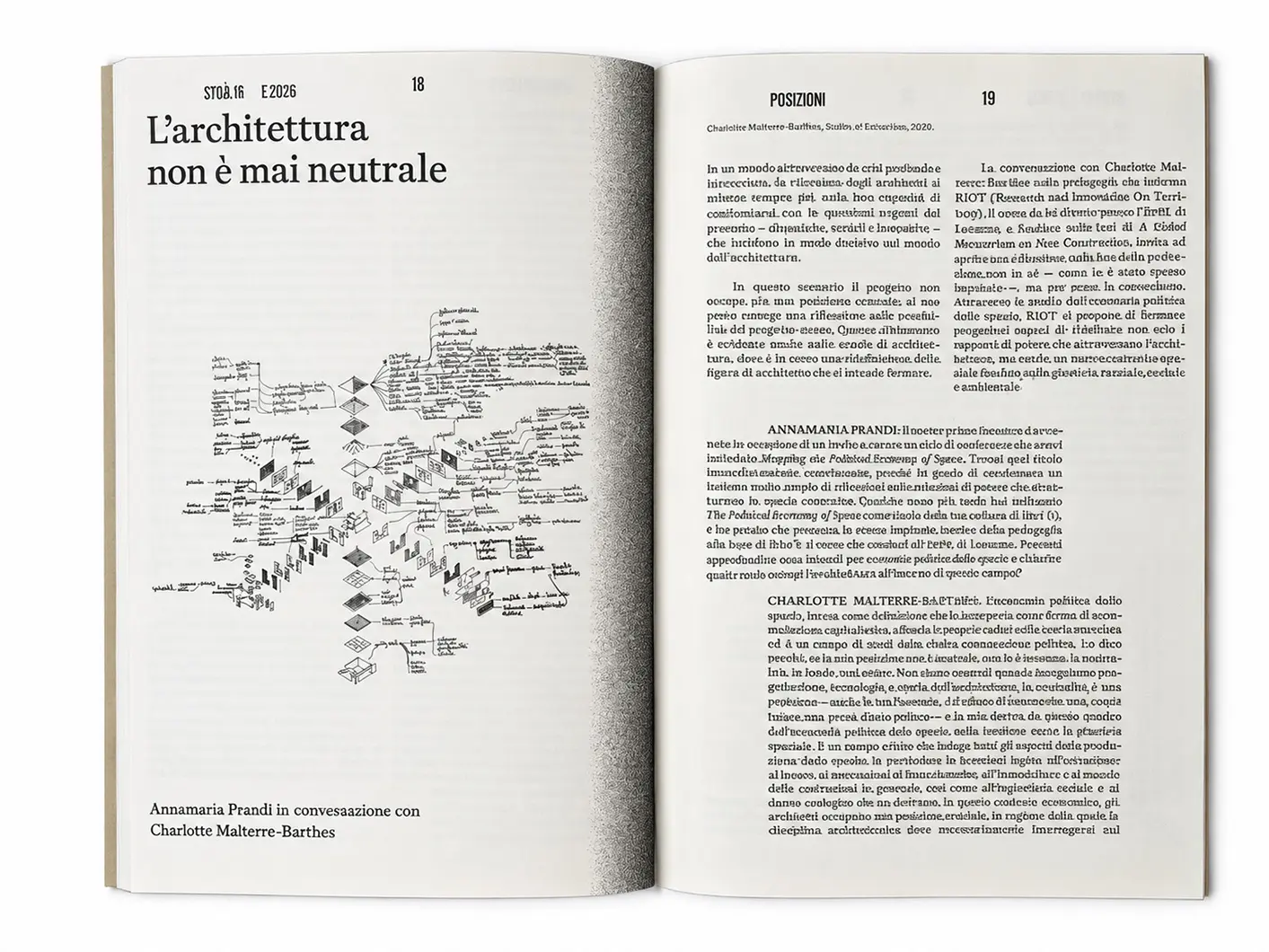


With Incontri, its tenth issue published in 2024, the magazine returns to the issues dealt with in its first three years through essays and conversations with people engaged in architectural education. It relates schools, teachers, teaching practices and publishing experiences, bringing out a history of teaching built not only through programs and institutions, but also through tools, people and opportunities for discussion. Schools of architecture do not appear as places where defined knowledge is simply handed over to the next generation, but as one of the spaces in which the discipline continues to be discussed and redefined.
Panteon, by contrast, looks at what the project has already produced, and does so by choosing a particularly precise scope.
Founded in Rome in 2019 from an idea of WAR – Warehouse of Architecture and Research and directed by Jacopo Costanzo, Panteon focuses on architecture built in the capital between 1911 and 1989, within the Grande Raccordo Anulare (Rome’s ring road). Two dates and a geographical boundary establish the magazine’s main sphere of action. Within this framework, each issue lays out a different path, using the city as a starting point to address issues that may go beyond its architectural history.
Billboards, Aqueducts, Schools, Knowledge, Pasolini, Night: instead of proceeding chronologically, by authors or by types, Panteon works through associations. Well-known buildings and architectures less studied in the historiography can be found in the same number, united by the viewpoint from which they are observed. Rome becomes an archive to be traversed and recomposed, in which the value of a work depend not only on its reputation or the position it occupies in the official history of architecture.
The choice to limit the investigation to a precise period of Roman history produces an apparently contradictory effect: the narrower the field, the greater the possibilities for establishing relationships. In the issue devoted to Pasolini, the built city meets the imagination of the writer and filmmaker through places such as the social housing of Donna Olimpia and the Tuscolano II quarter. In Night, different spaces such as the Piper Club, the Jackie O’ and the Palazzo dei Ricevimenti e dei Congressi are brought together within a survey of the capital's nightlife. The theme becomes a lens that enables the same heritage to be reorganised each time.
The result is also a different way of approaching history. Architectures are not considered only at the time when they were designed or built, but also by what they have become. Some have kept their original function, others have been transformed, adapted or absorbed into the everyday life of the city. Observing them again means comparing the project with the time that has passed, recognizing in the buildings the traces of changes that often escape the historical record.
Photography plays a central role in this process. Alongside documentary research, the photographs taken for the individual issues bring the buildings back into the present and record their conditions, alterations and stratifications. The images not only testify to the existence of an architecture, but present the distance between the original project and the current state of the building. Its history continues in the way it is inhabited, modified and looked at.
Vesper and Stoà are scholarly journals engaged in academic research; Panteon, on the other hand, was established as an independent project, while adopting a process of scholarly review of the contributions. They differ in structure, themes and methods, but they share one choice: to renounce an all-round vision to present a precise one.
It is perhaps here that these three publishing experiences come together. Not in an attempt to define what architecture is today, but in the decision to decide, each time, where to look at it from.
Read also: Houses for reading. When interiors become autobiographies
23 October 2026
Share