



The 10 most anticipated architecture projects of 2026

Frank Gehry, Guggenheim Museum, Abu Dhabi, ph. Frank Gehry

Frank Gehry, Guggenheim Museum, Abu Dhabi, ph. Frank Gehry

From BIG to David Chipperfield, Frank Gehry to Snøhetta: a world tour of the best buildings set to open in 2026 

Speaking of the 10 most anticipated architectural projects of 2026, it would be impossible not to mention Milan – which is undergoing profound urban transformation in preparation for the Milano Cortina 2026 Winter Olympics, starting in February. A number of new buildings and infrastructures are destined to change the face of the city, guaranteeing a lasting legacy and real benefits for citizens even beyond the sports event.  
But 2026 will also mark the conclusion of many other major international architectural projects around the world, from Uzbekistan to the United States and from the United Arab Emirates to Belgium: it will definitely be a key year for contemporary architecture globally.  
Just as in 2025, attention is focused on large public buildings and public utility infrastructures: theatres, museums, airports and, of course, sports facilities designed to respond to collective needs and redefine the relationship between architecture and urban space. 
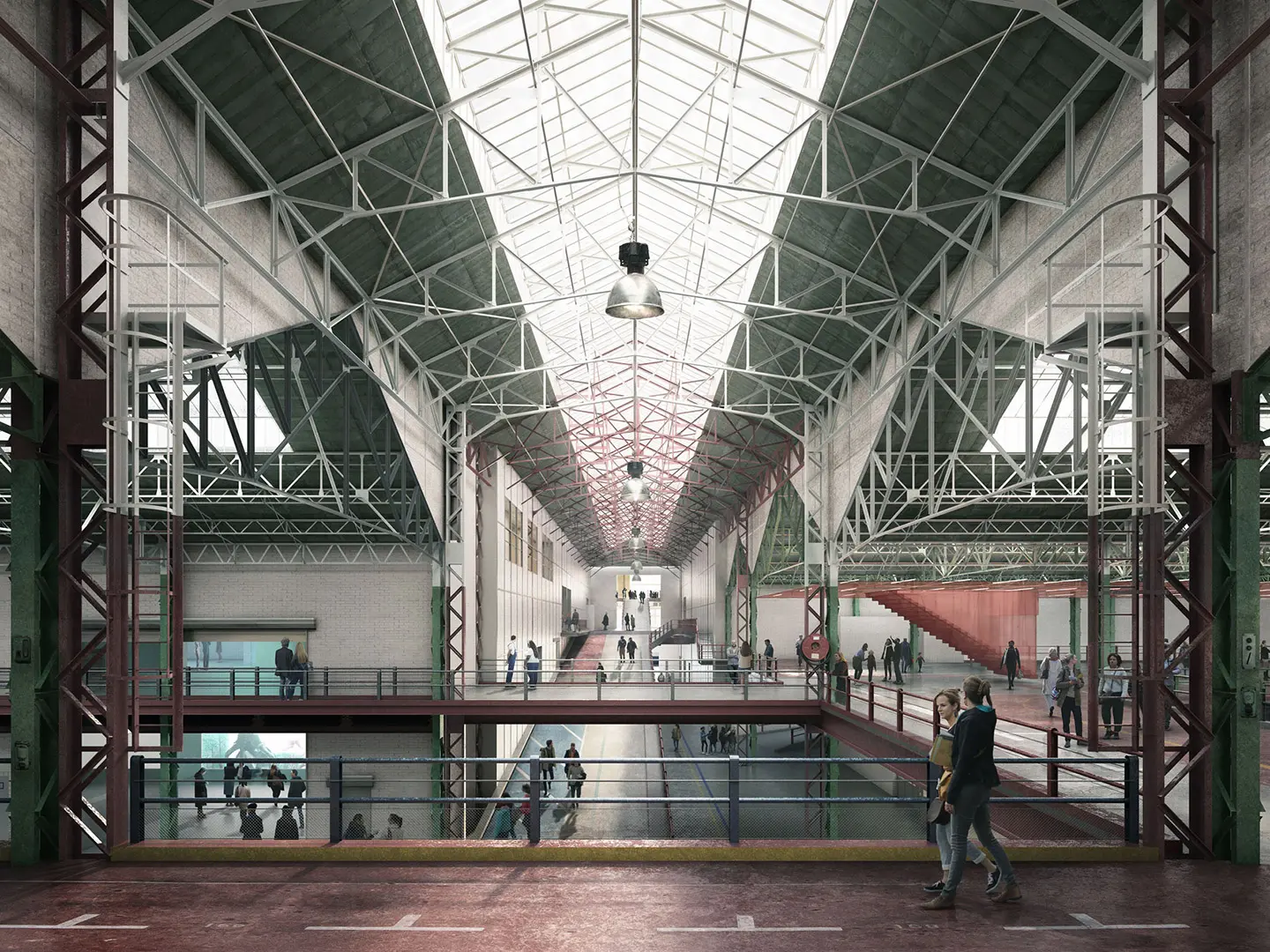
noAarchitecten, EM2N e Sergison Bates architects, KANAL – Centre Pompidou, Bruxelles  Courtesy Sergison Bates architects

noAarchitecten, EM2N e Sergison Bates architects, KANAL Centre Pompidou, Bruxelles, ph. Sergison Bates architects 

noAarchitecten, EM2N e Sergison Bates architects, KANAL Centre Pompidou, Bruxelles 

In January 1924, designer André Citroën opened his namesake brand’s first headquarters outside France, later expanding them with a large showroom and a car repair shop. Thus, an imposing 20-metre-high steel and glass structure was built, a veritable modern cathedral overlooking the Willebroek Canal. Soon, this very building will become the new home of the KANAL – Centre Pompidou in Brussels. The redevelopment project by Sergison Bates, noaArchitecten, and EM2N will transform the monumental Art Deco building into one of Europe’s largest multidisciplinary cultural hubs dedicated to the arts and to contemporary creativity. 
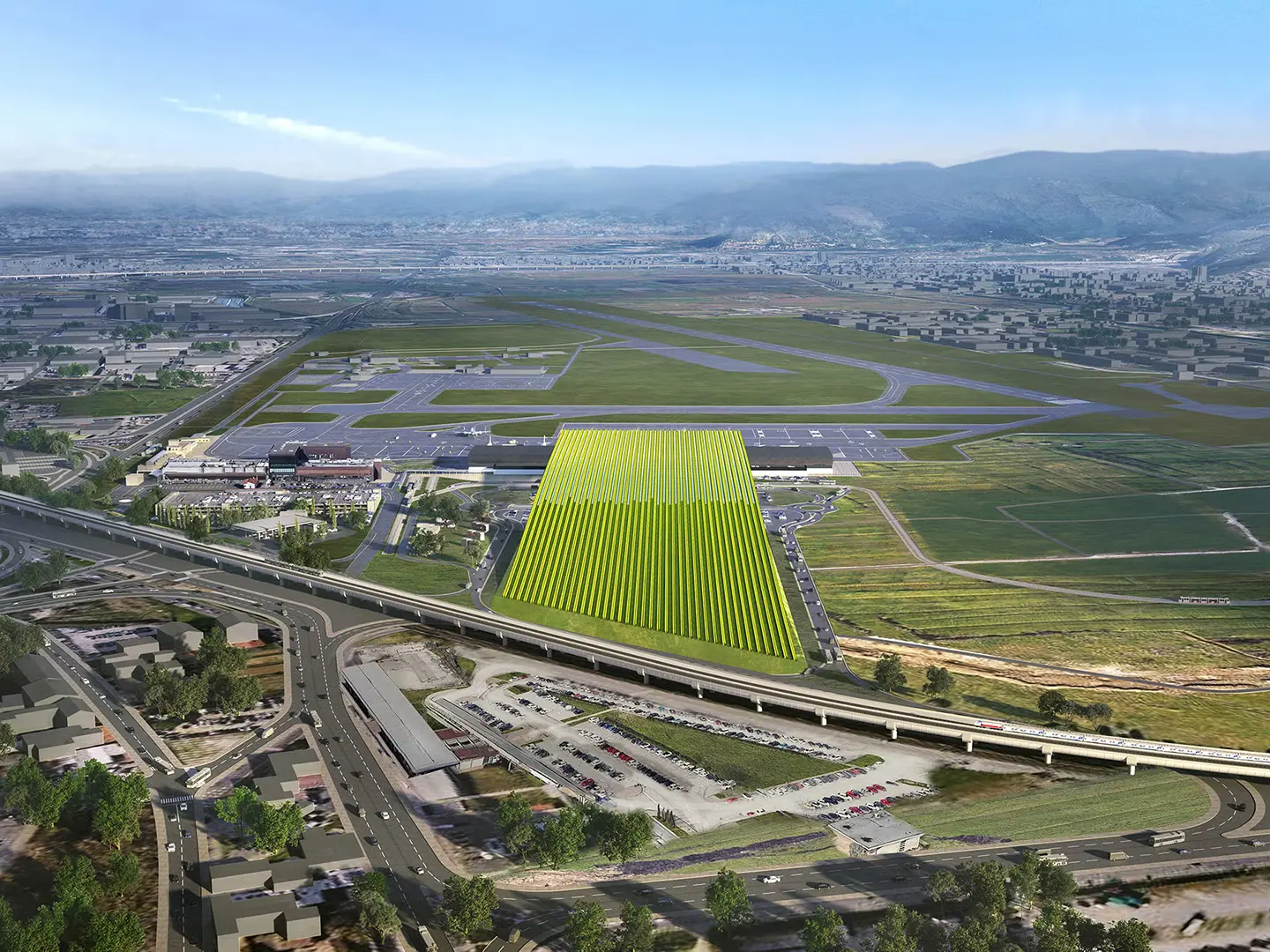
 

Rafael Viñoly Architects, New terminal at the Amerigo Vespucci Airport in Florence, ph. Rafael Vinoly Architects

Rafael Viñoly Architects, New terminal at the Amerigo Vespucci Airport, Florence, ph. Rafael Vinoly Architects 

Rafael Viñoly Architects, New terminal at the Amerigo Vespucci Airport, Florence 

Florence’s Amerigo Vespucci Airport is being renovated with a new terminal designed by Rafael Viñoly Architects. One of the project’s distinctive elements is its rooftop vineyard, which makes the infrastructure simply outstanding. Supported by a network of branching columns, the roof will span a vast 50,000-square-metre space, designed to accommodate nearly 6 million passengers per year. 
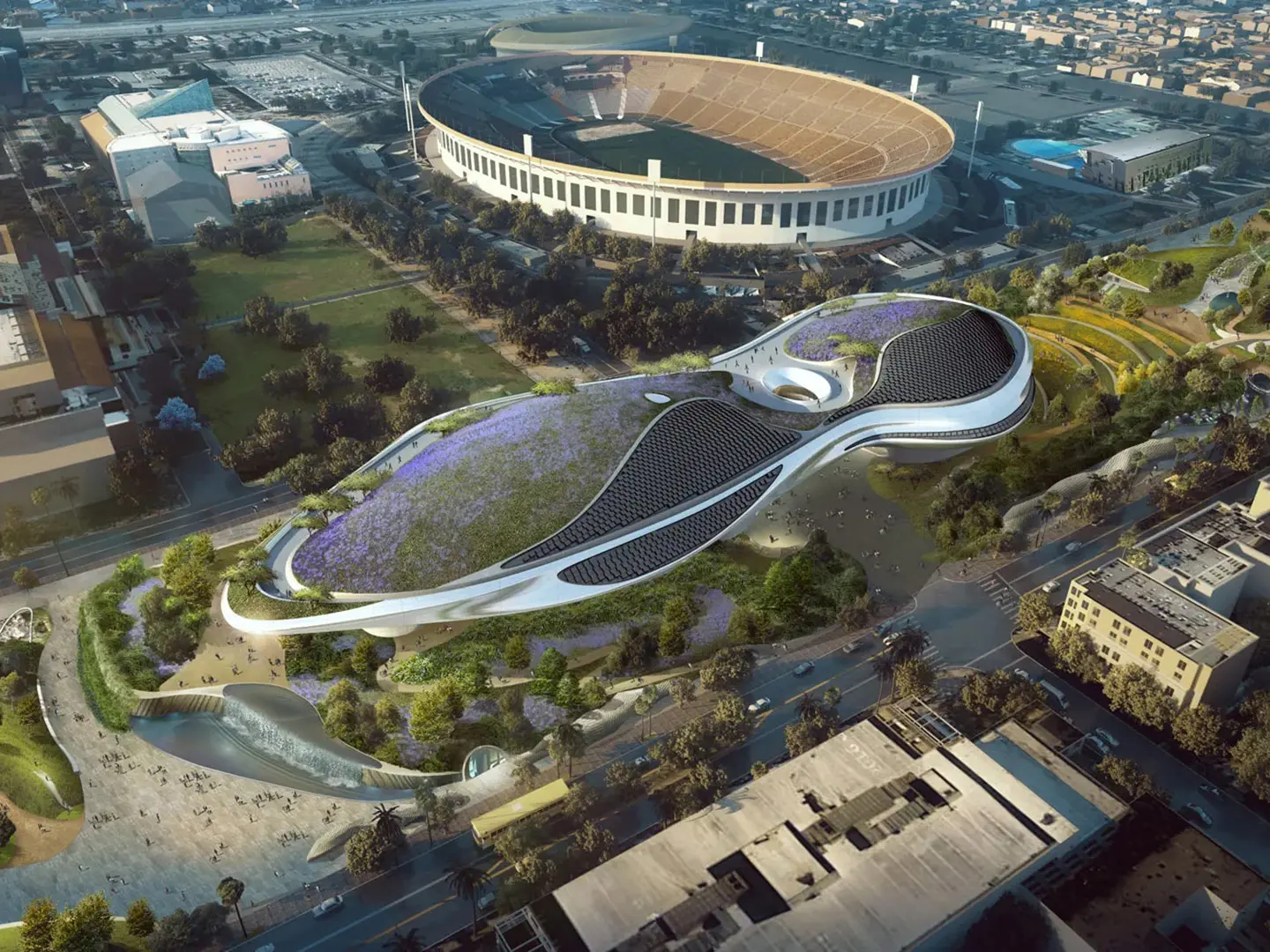
 

MAD Architects, Lucas Museum of Narrative Art, Los Angeles, ph. Lucas Museum of Narrative Art

MAD Architects, Lucas Museum of Narrative Art, Los Angeles, ph. Lucas Museum of Narrative Art

MAD Architects, Lucas Museum of Narrative Art, Los Angeles 

The Lucas Museum of Narrative Art will open to the public in September 2026 as a striking new cultural addition to Los Angeles’s Exposition Park. Founded by George Lucas and Mellody Hobson, the museum is dedicated to illustrated and narrative storytelling, defined as visual works capable of telling stories across different media and times. Works on display will include comics by Charles M. Schulz and Alex Raymond, film concept art by Neal Adams and Ralph McQuarrie, as well as paintings by Frida Kahlo and Jacob Lawrence. The building is designed by Ma Yansong from MAD Architects, while landscape design was entrusted to Mia Lehrer from Studio-MLA. 
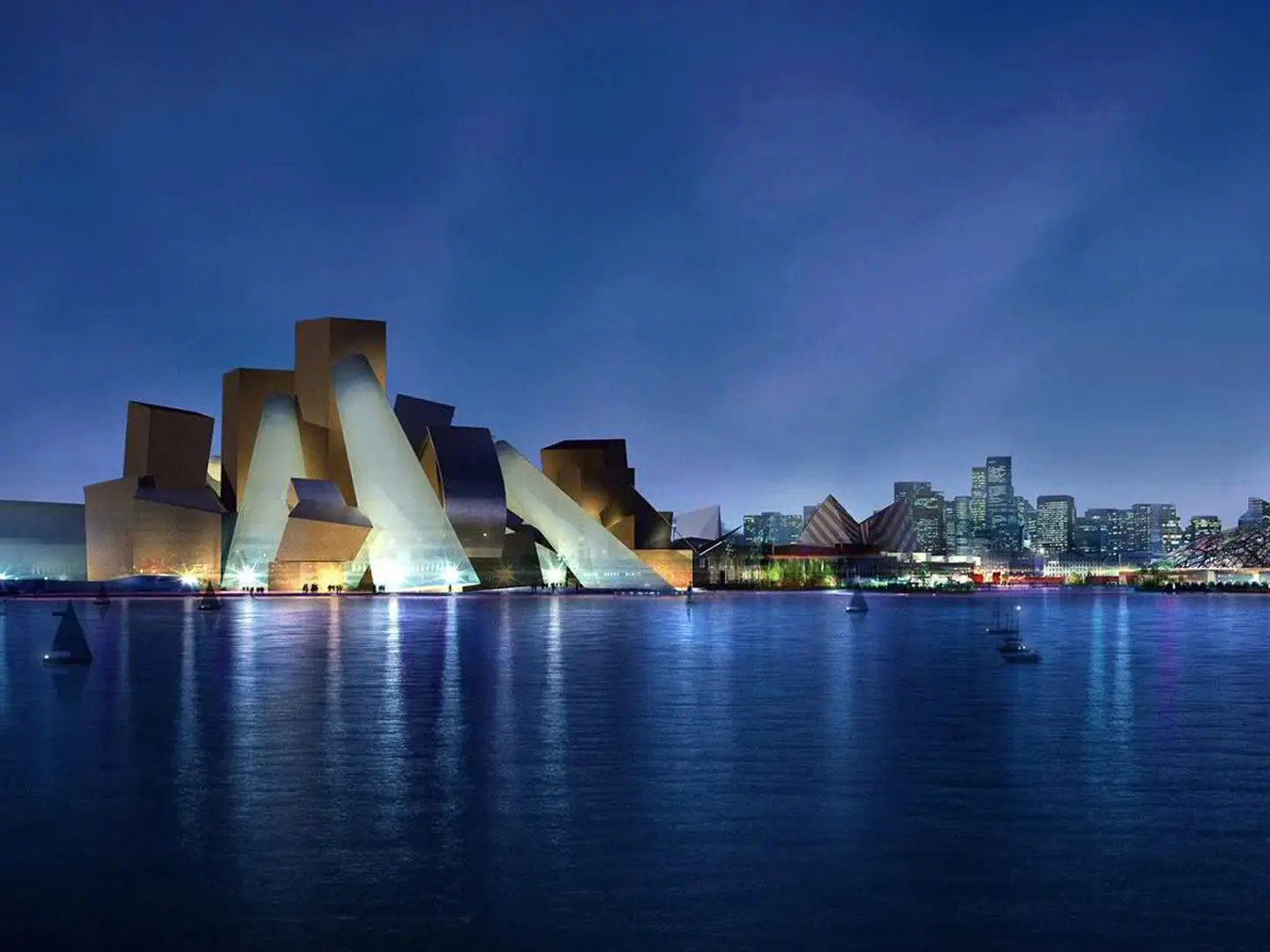
 

Frank Gehry, Guggenheim Museum, Abu Dhabi, ph. Frank Gehry

Frank Gehry, Guggenheim Museum, Abu Dhabi, ph. Frank Gehry

Frank Gehry, Guggenheim Museum, Abu Dhabi 

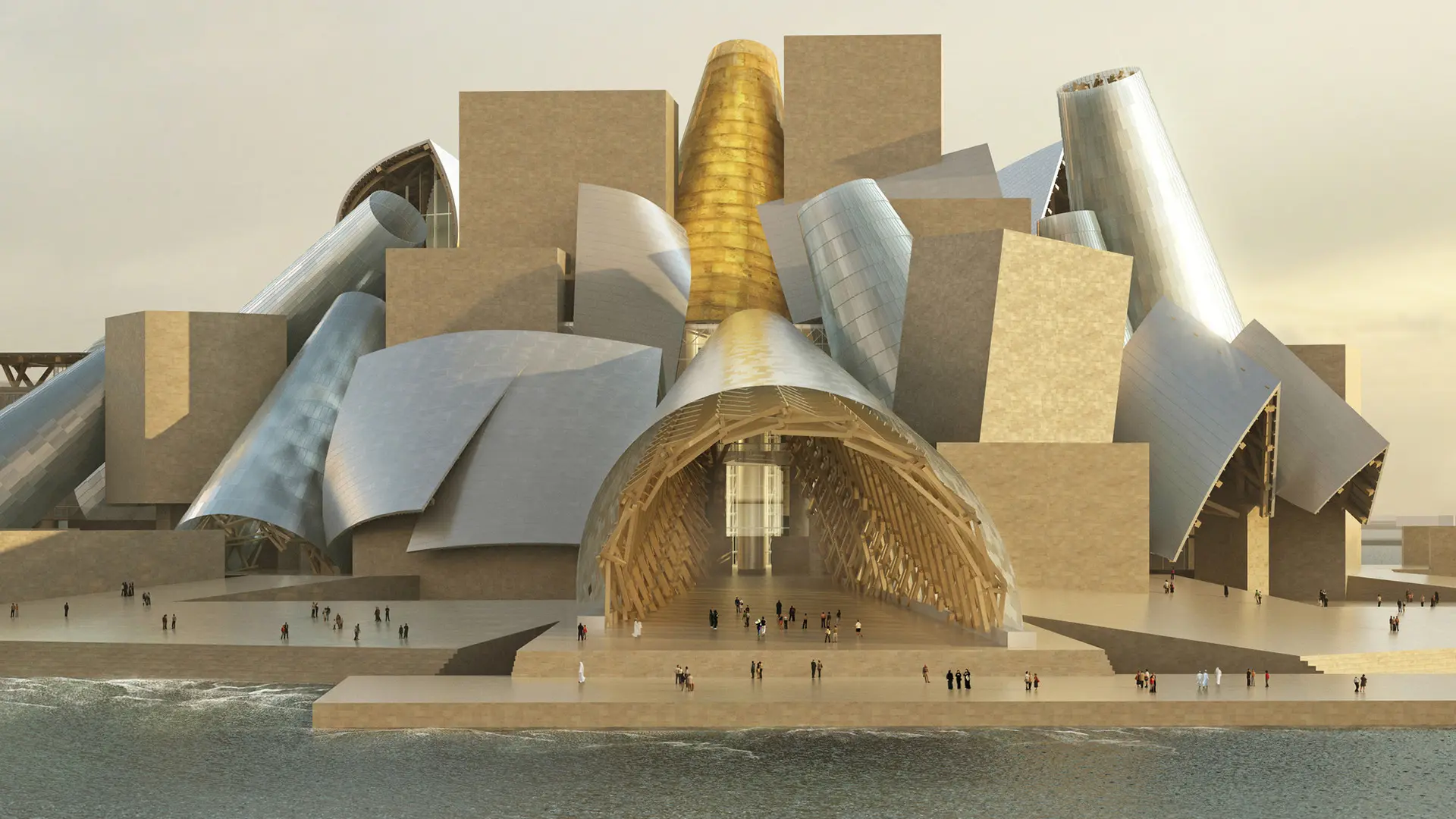
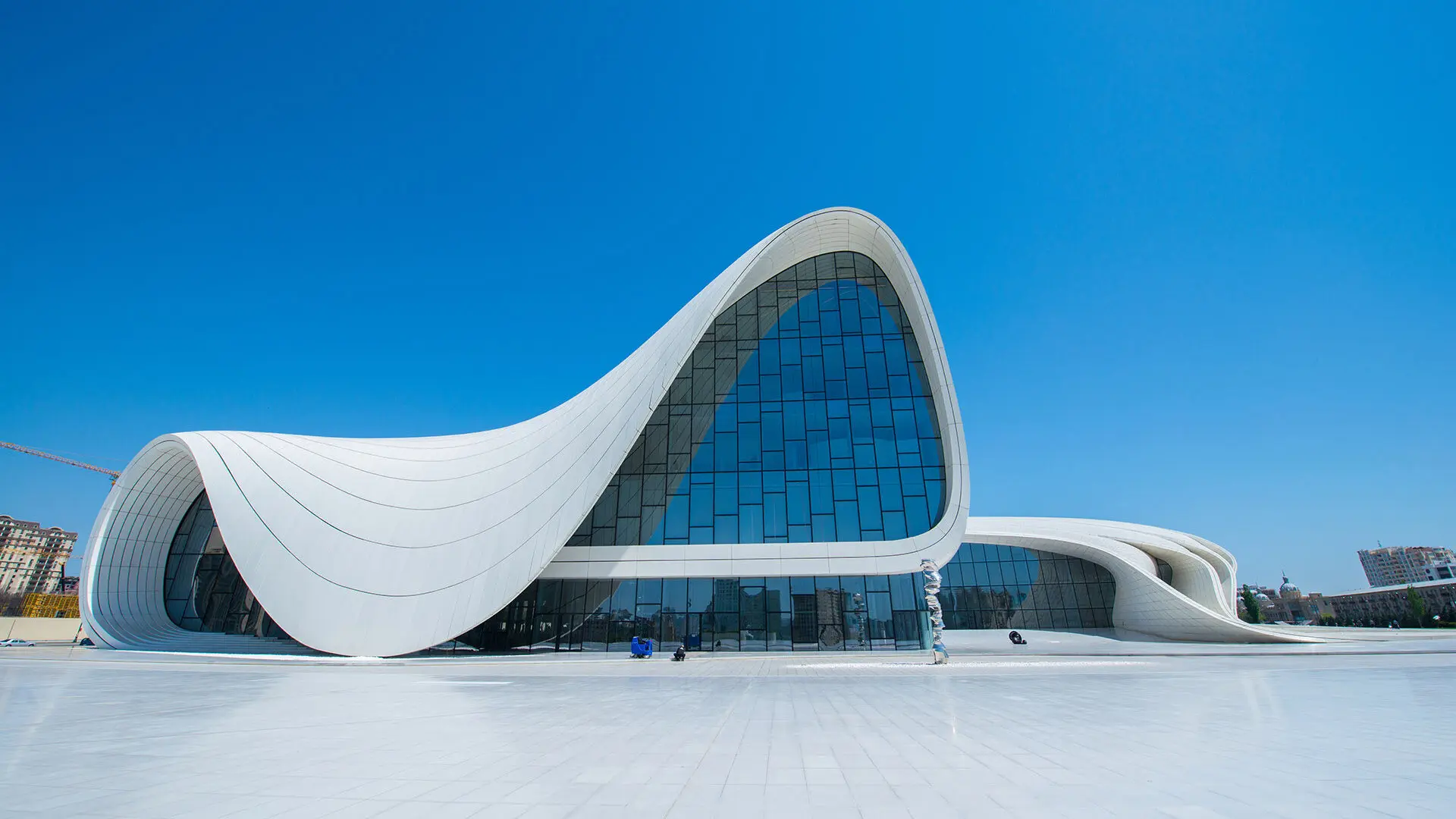
Unfortunately, Frank Gehry will miss the inauguration of his most ambitious project, the Guggenheim Abu Dhabi. The star architect, who passed away in early December, presented the design for this building – which is “larger than life” to say the least – over 20 years ago. The Guggenheim Museum has, in fact, been under construction for approximately 15 years. The building will rise on Saadiyat Island, a new cultural district overlooking the coast of the capital of the United Arab Emirates. With a surface area of 42,000 square metres, it will be the largest of the four Guggenheim locations worldwide, surpassing Guggenheim Bilbao, also designed by Frank Gehry. 


Studio Gang, Samuel H. Scripps Theater Center, Garrison, New York, ph. Studio Gang

Studio Gang, Samuel H. Scripps Theater Center, Garrison, New York, ph. Studio Gang 

Studio Gang, Samuel H. Scripps Theater Center, Garrison, New York 

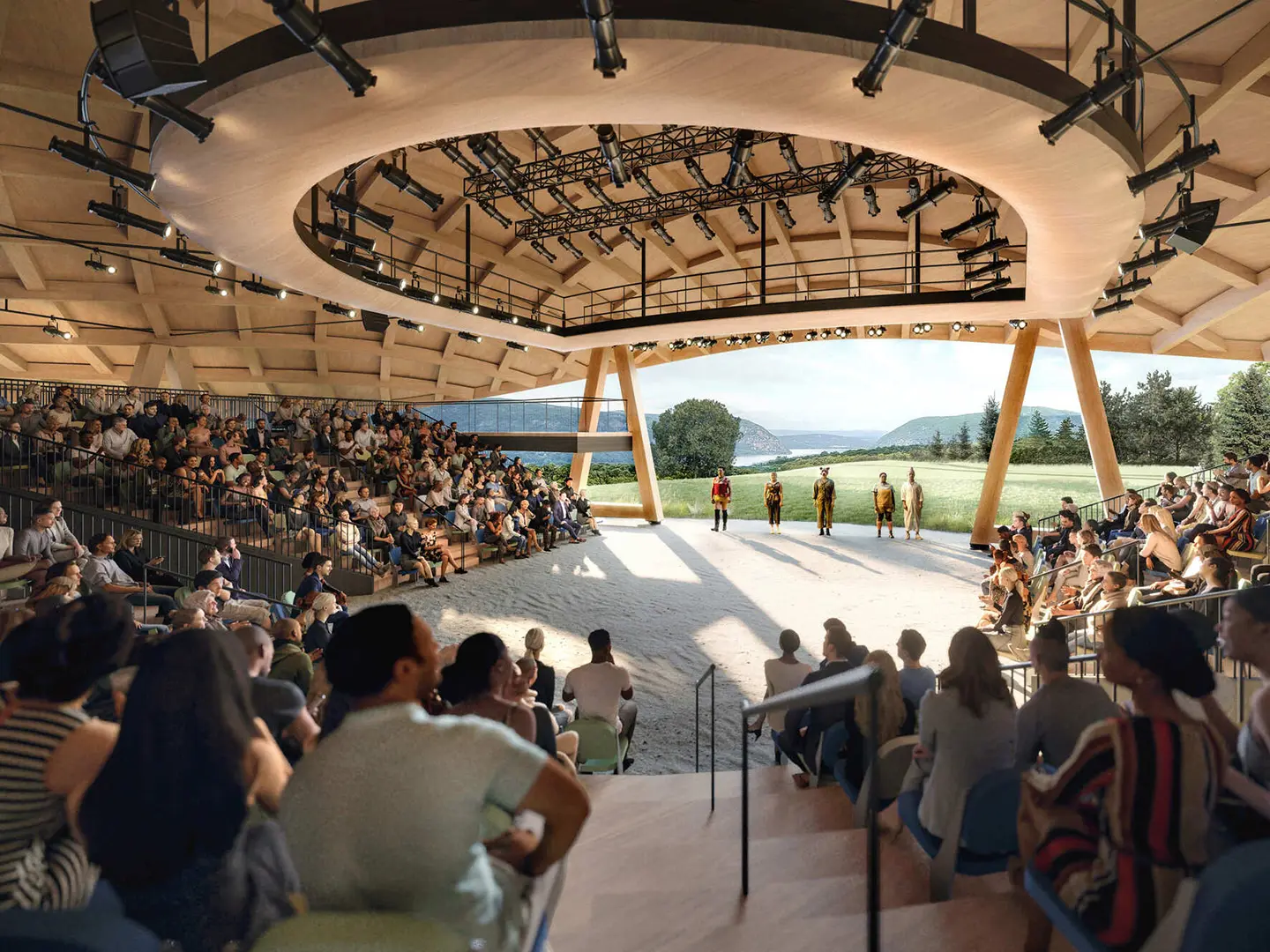
American architecture firm Studio Gang will inaugurate an open-air theatre in New York State that is entirely made of wood – destined to be the permanent home of the Hudson Valley Shakespeare Festival (HVSF). The project is designed to integrate with the natural landscape, through the choice of natural materials and outstanding views of the Hudson River and surrounding highlands. The complex will consist of a central structure with supporting pavilions that will house technical systems, a refreshment area, and public restrooms – all in all representing a new sustainable cultural infrastructure for the Hudson Valley. 


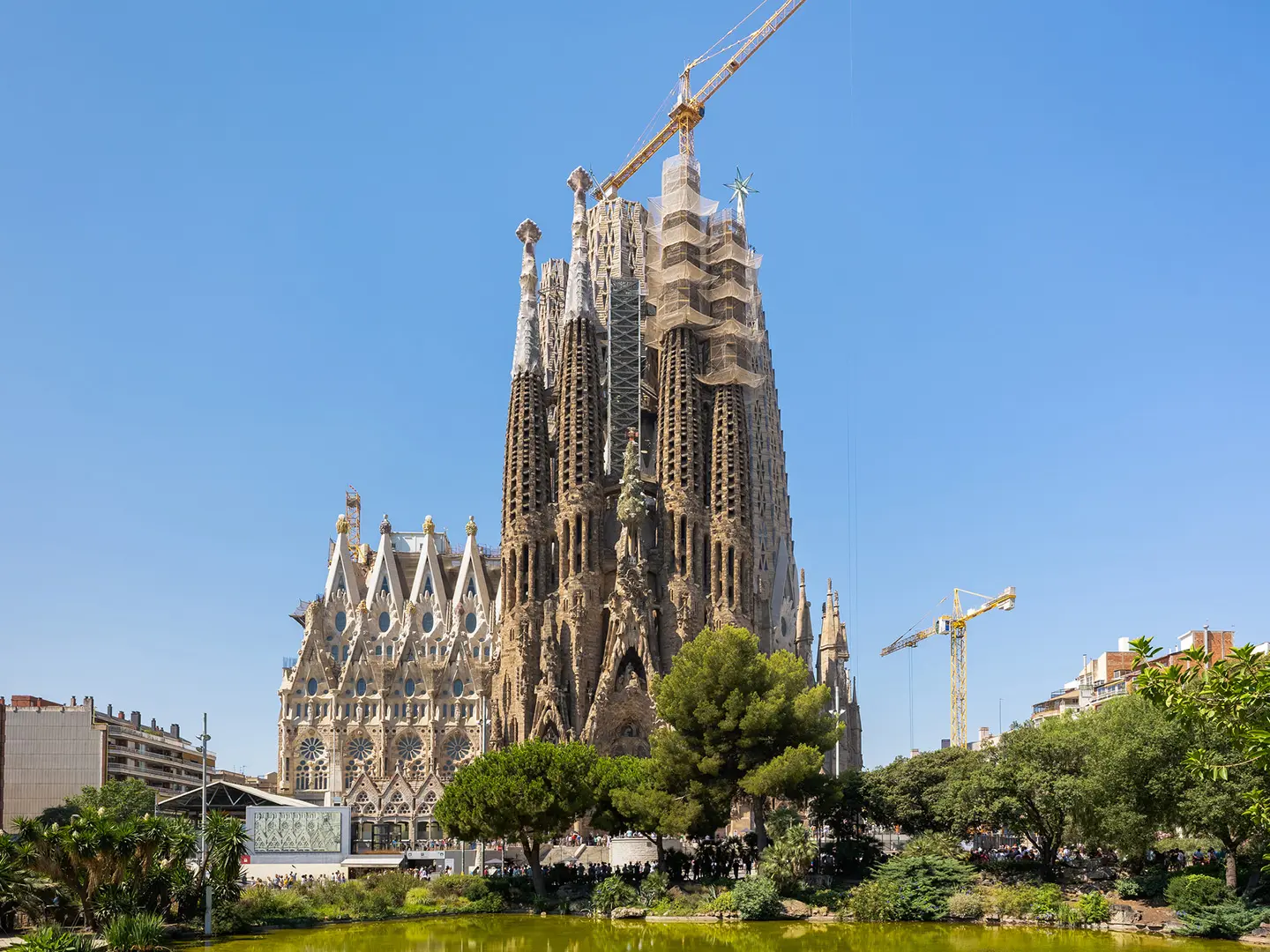
Antoni Gaudí, Sagrada Família, Barcelona, ph. Maksim Sokolov, via Wikimedia Commons

Antoni Gaudí, Sagrada Família, Barcelona, ph. Maksim Sokolov, via Wikimedia Commons

Antoni Gaudí, Sagrada Família, Barcelona 

The Sagrada Família – probably Barcelona’s most famous monument – will be (almost) completed in 2026. The date for the inauguration of the Tower of Jesus, the tallest and most symbolically important tower imagined by Antoni Gaudí, has been set to June 10, 2026. The date coincides with a significant anniversary: 100 years since the death of the architect who conceived this masterpiece of modernist architecture, long considered eternally unfinished. The central tower of the Sagrada Família will reach 172.5 metres in height, making the basilica the tallest building in Barcelona. However, the church’s construction site, which has been active since 1882, will not be definitively closed: after 2026, the sculptures and decorations for the Glory Façade will still need to be completed, as well as various internal and external artistic details and some urban planning arrangements. 


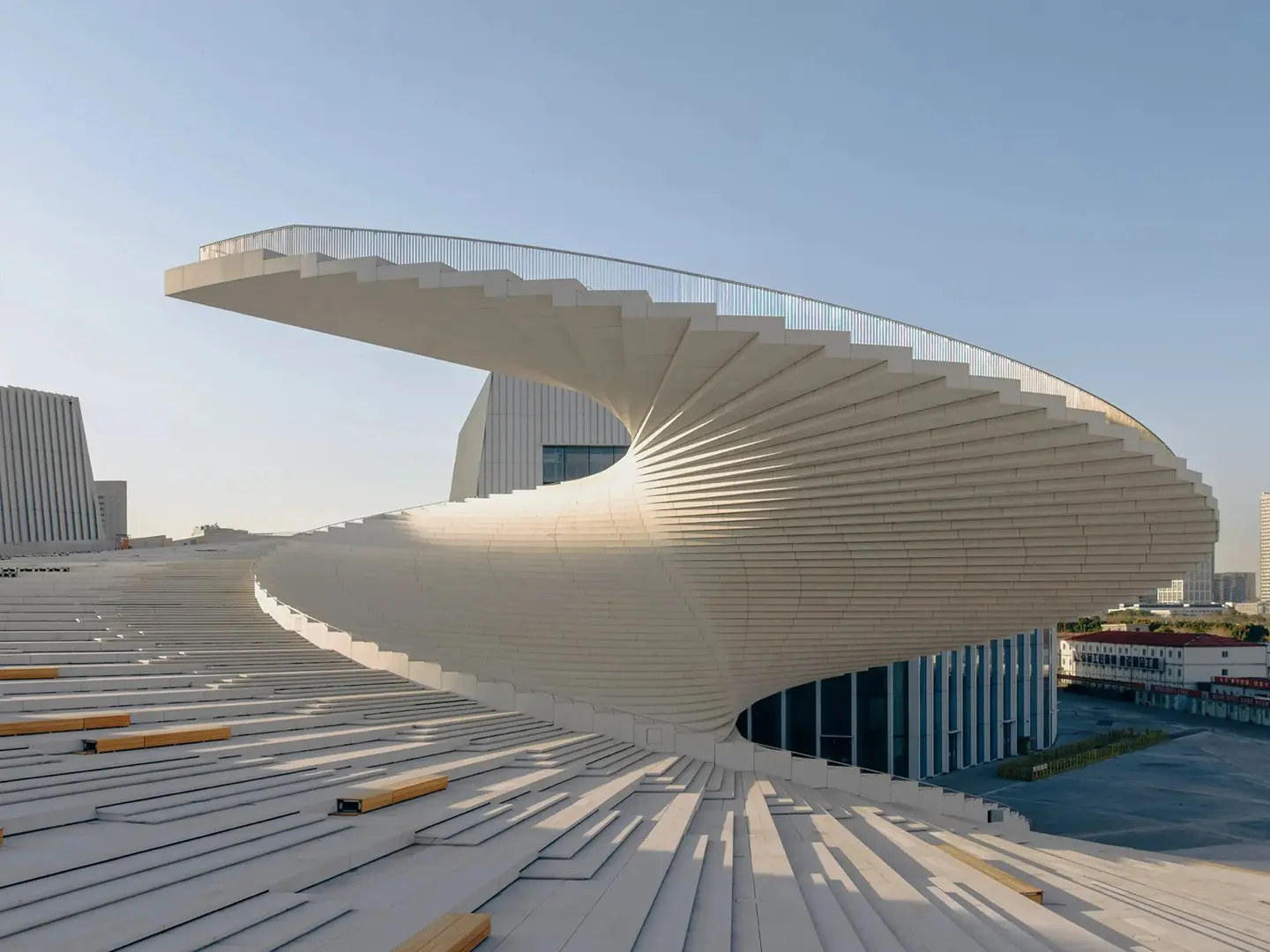
Snøhetta, Shanghai Grand Opera Hall, Shanghai, ph. StudioSZ

Snøhetta, Shanghai Grand Opera Hall, Shanghai, ph. StudioSZ

Snøhetta, Shanghai Grand Opera Hall, Shanghai 

In 2026, Snøhetta will complete a new cultural landmark for Shanghai, the Shanghai Grand Opera Hall, featuring an iconic shape inspired by traditional Chinese folding fans. The building's spiralling roof is primarily a 24-hour public space, conceived as an open-air theatre and civic forum that opens up to the surrounding landscape, offering views of the banks of the Huangpu River and the Shanghai skyline. This spiralling motion is a distinctive feature throughout the entire architectural project, flowing through the lobbies, halls, and three auditoriums of the new opera house. 


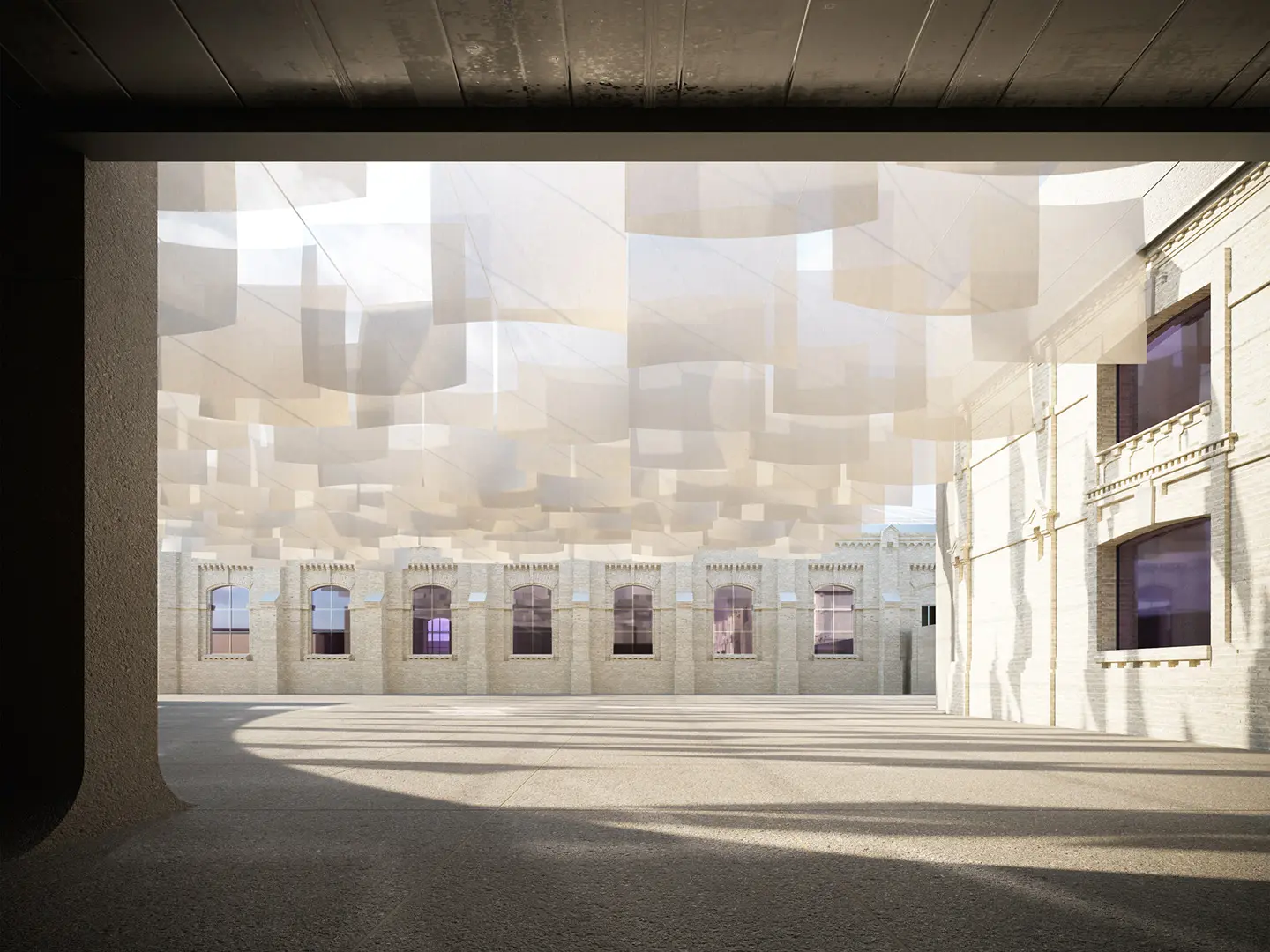
Studio KO, Centre for Contemporary Arts, Tashkent, Uzbekistan, ph. Studio KO, courtesy Uzbekistan Art and Culture Development Foundation (ACDF)

Studio KO, Centre for Contemporary Arts, Tashkent, Uzbekistan, ph. Studio KO, courtesy Uzbekistan Art and Culture Development Foundation (ACDF)

Studio KO, Centre for Contemporary Arts, Tashkent, Uzbekistan 

The Centre for Contemporary Arts in Tashkent (CCA), Uzbekistan, will be the first permanent institution dedicated to contemporary art and research in Central Asia. Its main building, scheduled to open in March 2026, will be located in a former tram depot and diesel power plant dating back to 1912, converted by Paris’s Studio KO. The architects tackled a stratified and jumbled site, which over time had been occupied by buildings of no particular architectural value. The studio therefore reorganized the overall layout and restored many elements that were typical of the region’s imperial architecture, such as the use of brick as the primary module for decorations. 


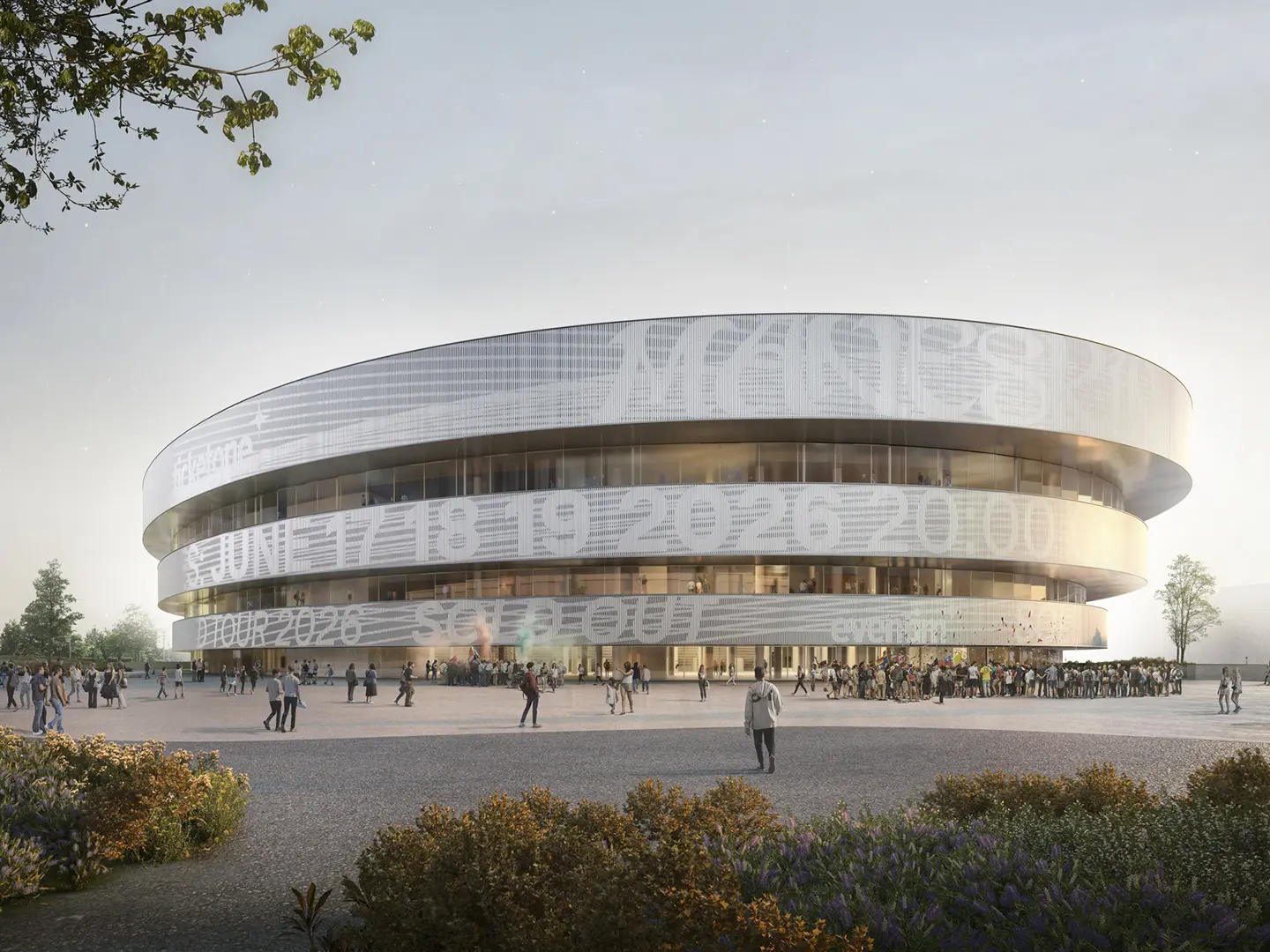
David Chipperfield, Milano Santa Giulia Ice Hockey Arena, Milano, ph. Onirism Studio

David Chipperfield, Milano Santa Giulia Ice Hockey Arena, Milano, ph. Onirism Studio

David Chipperfield, Milano Santa Giulia Ice Hockey Arena, Milano

The Milano Santa Giulia Ice Hockey Arena, also known as PalaItalia, will be one of the main projects that the city of Milan will retain after the Milano Cortina 2026 Winter Olympic Games. With its 16,000 seats, the structure – a cylindrical building composed of three rings at different heights, connected by transparent glass bands – will be the largest arena in Italy. The facility will be used for large concerts, sporting events (such as the ATP Finals) and festivals. The building will also represent a new and important element within the masterplan designed by Foster + Partners for Santa Giulia – a neighbourhood nearing completion, after many years of work being stalled, which will include residential buildings, schools, commercial spaces, and a large urban park. 


BIG, Citywave, Milan, ph. B&TB

BIG, Citywave, Milan, ph. B&TB 

BIG, Citywave, Milan

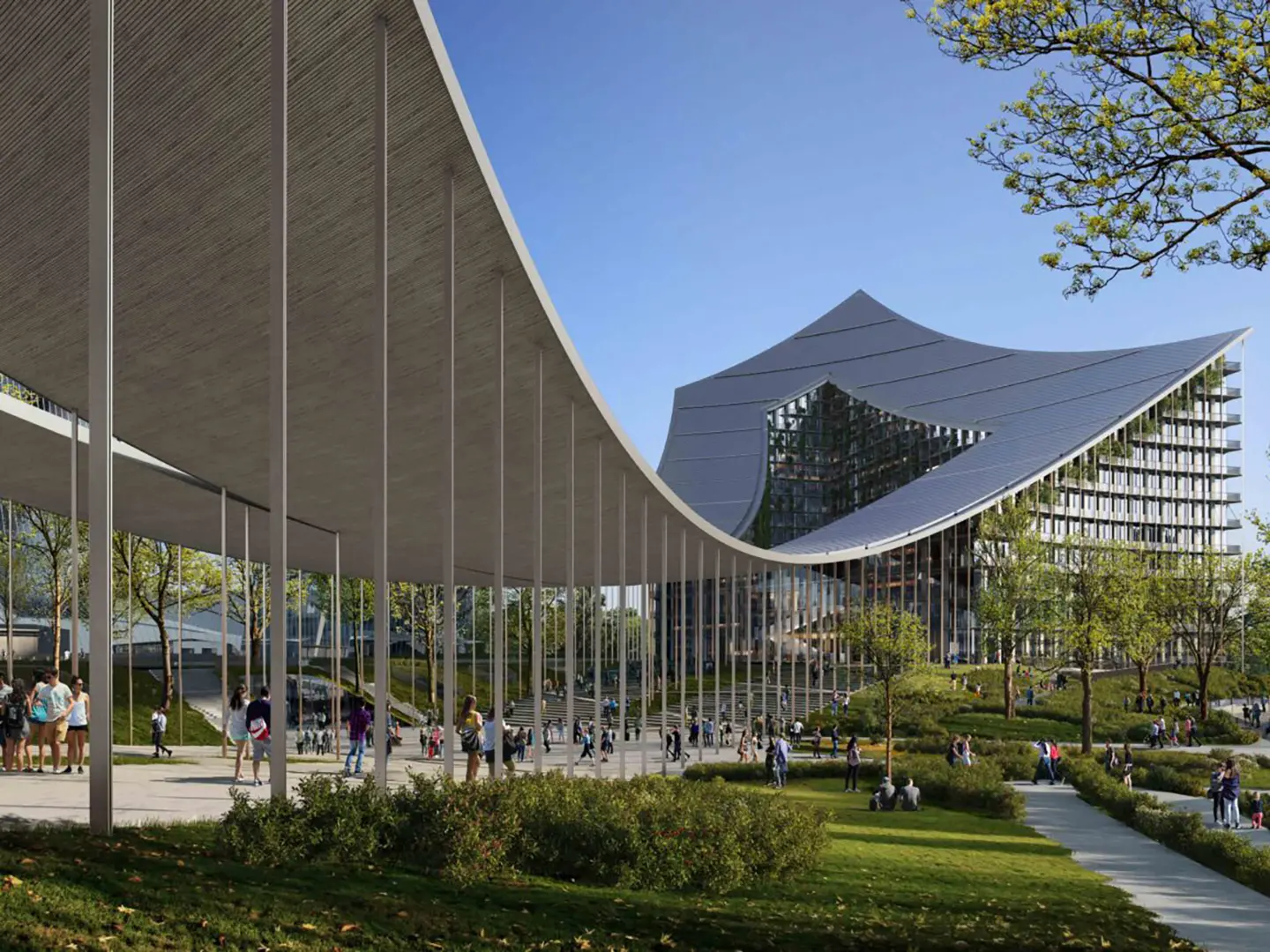
CityWave, designed by BIG – Bjarke Ingels Group studio, has been described as a “manifestation of the urban idea of Milan for the 21st century”. The project includes two office buildings connected by an imposing 140-metre-long roof entirely covered in photovoltaic panels, and is destined to become the new gateway to the CityLife district. CityWave will thus contribute to completing the skyline of this area – together with CityLife’s Three Towers – and will establish itself as one of the largest office hubs in Milan thanks to its vast executive spaces. 


22 December 2025
See Also
Other Articles